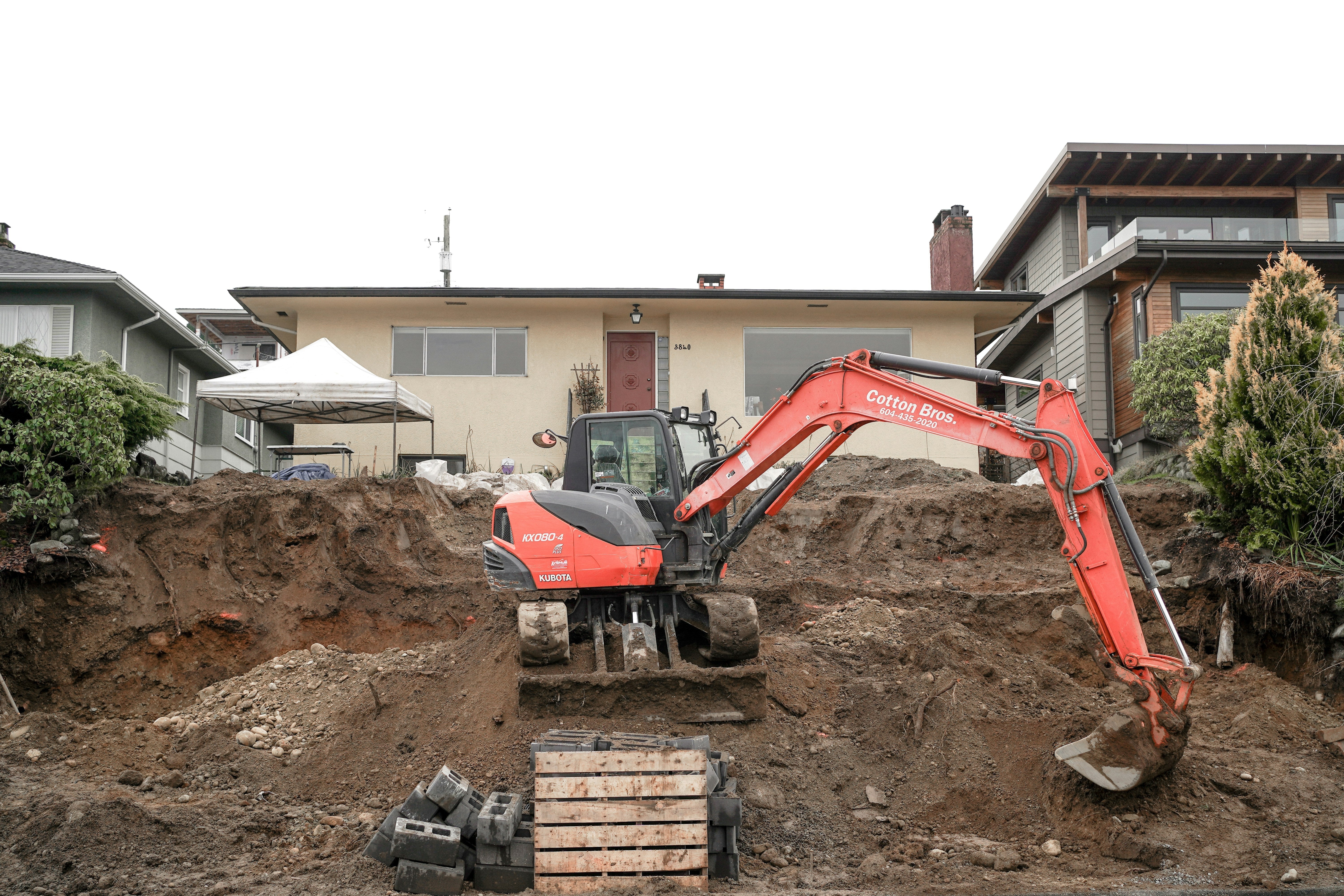
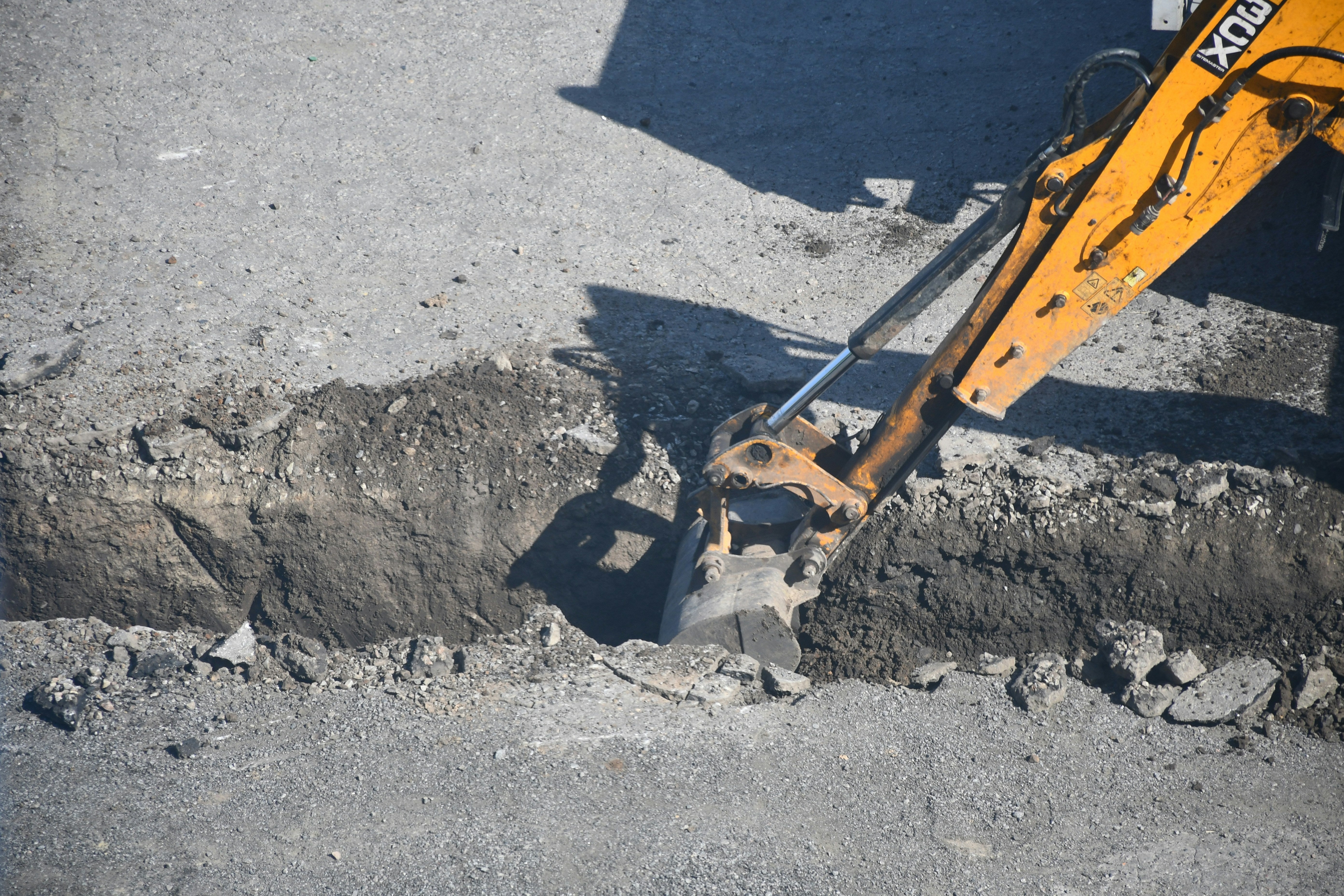
If you have ever watched an excavator arm lift a massive load or seen a loader bucket tilt with smooth precision, hydraulic cylinders are what make that happen. They are everywhere in heavy equipment, yet most operators only start thinking about them when something goes wrong.
Maybe your boom feels sluggish, your bucket is drifting, or you have noticed fluid leaking near a rod seal. These are the kinds of problems that pop up when you do not understand what is going on inside these components.
This guide breaks it all down in plain terms. No engineering degree required. Whether you run a compact excavator on residential lots or a full scale construction site, knowing the basics of how hydraulic cylinders function will save you time, money, and headaches.
What Exactly Are They and How Do They Work
At their core, hydraulic cylinders are mechanical devices that use pressurized fluid to produce linear force and motion. Think of them as the muscles of your machine. When hydraulic fluid gets pumped into one side of the cylinder, it pushes a piston, and that piston moves a rod. That rod is what extends or retracts the arm, bucket, or boom of your equipment.
The concept is simple, but the execution is precise. The fluid pressure must be consistent, the seals must hold tight, and the internal surfaces need to stay clean. When all of that lines up, you get smooth and powerful movement.
There are two main types you will come across. Single acting hydraulic cylinders use pressure on one side only and rely on gravity or a spring to return. Double acting cylinders use pressure on both sides, giving the operator control in both directions.
Most excavators use double acting models because they need full range of controlled movement for digging, lifting, and positioning.
Why They Matter for Your Equipment
Hydraulic cylinders are not just one part of the machine. They are connected to the entire hydraulic system, including the pump, valves, hoses, and the fluid reservoir. If a cylinder starts leaking or losing efficiency, the effects ripple outward. Your pump works harder, your fluid gets contaminated faster, and other components wear down.
This is especially true for tracked machines where the hydraulic system also powers the excavator final drives responsible for track movement. A drop in hydraulic pressure from a worn cylinder can affect travel speed and machine responsiveness.
For operators running smaller machines, the stakes are just as real. Even on a mini compact excavator, a faulty cylinder can stall your entire operation and lead to expensive repairs if left unchecked.
Key Components You Should Know About
Understanding the parts inside hydraulic cylinders helps you spot trouble early. Here is what you are working with.
The cylinder barrel is the main body that holds the pressurized fluid. It needs to be strong enough to handle the internal pressure without warping or cracking. Any damage to the barrel usually means a full replacement.
The piston sits inside the barrel and divides it into two chambers. When fluid enters one chamber, the piston moves, pushing the rod out or pulling it back in. Piston seals are critical here. If they wear out, fluid bleeds between chambers and you lose force.
The piston rod extends out of the cylinder and connects to whatever component it controls. Rods take a beating from dirt, debris, and weather. A scratched or pitted rod will destroy your seals over time.
Seals and O rings keep the fluid contained and the pressure stable inside your hydraulic cylinders. They are usually the first things to fail, and when they do, you will notice leaks and reduced performance almost immediately.
Common Problems and What Causes Them
Most cylinder issues come down to a handful of root causes. Knowing them helps you act before things get worse.
Fluid contamination is the biggest one. Dirt, metal shavings, or water in the hydraulic fluid will eat away at seals and scratch internal surfaces. Keeping your fluid clean and your filters fresh is critical. Contaminated fluid is also one of the main reasons behind drive motor failure across all types of heavy equipment.
Seal wear happens naturally over time, but heat, contamination, and improper fluid types speed it up. Leaking seals mean lost pressure, which means your hydraulic cylinders cannot generate the force they need to perform.
Rod damage from external impacts, corrosion, or debris contact is another frequent issue. Even minor scratches on the rod surface can compromise seals, letting contaminants into the system.
Side loading occurs when the cylinder is subjected to forces at an angle it was not designed for. This bends the rod, damages the piston, and wears out the barrel unevenly. Proper alignment during installation prevents this from shortening the life of your hydraulic cylinders.

Simple Maintenance Habits That Go a Long Way
You do not need to be a hydraulic engineer to keep hydraulic cylinders in good shape. A few consistent habits make a huge difference.
Check for leaks regularly. Walk around your machine before and after each shift and look for fluid on or around the cylinders, hoses, and fittings. Catching a small leak early is far cheaper than dealing with a blown seal or a starved system.
Keep the rods clean. Wipe down exposed piston rods whenever you get the chance. Dirt and grime stuck to the rod get pulled past the seals every time the cylinder retracts, and that leads to internal contamination.
Monitor your hydraulic fluid. Check levels, look at the color, and change it on schedule. Dark, murky fluid or fluid with visible particles needs to be replaced. Fresh fluid keeps everything running smoothly, from your hydraulic cylinders to your final drives.
Inspect the mounting hardware. Loose pins, worn bushings, or cracked mounts can cause misalignment, which leads to side loading. Tighten and replace hardware as needed.
Follow your machine's service intervals. Every piece of equipment has a recommended schedule for fluid changes, filter replacements, and component inspections. Sticking to it is one of the best things you can do for long term reliability. Precision Final Drives offers a range of resources covering everything from drive motors to broader machine care.
Operators who take the time to learn about operating construction excavators properly tend to put less strain on all hydraulic components, including the cylinders. Good habits behind the controls reduce wear across the board.
When to Repair Versus Replace
Not every cylinder problem calls for a new unit. In many cases, a reseal kit and some fresh fluid will get things back to normal. If the barrel and rod are in good condition and the issue is limited to worn seals, a rebuild is usually the more cost effective route.
However, if the barrel is scored, the rod is bent, or there is significant internal corrosion, replacement is the smarter move. Running damaged hydraulic cylinders puts stress on the rest of the system and can lead to failures in other components.
The decision comes down to the extent of the damage and the cost of downtime. Either way, do not ignore the signs. A cylinder that is leaking, drifting, or making noise is telling you something, and the longer you wait, the more expensive the fix becomes.
Understanding how hydraulic cylinders work, what causes them to fail, and how to maintain them puts you in control of your equipment's performance and your bottom line.
Frequently Asked Questions (FAQs)
1. What Is the Most Common Cause of Hydraulic Cylinder Failure?
Contaminated hydraulic fluid is the leading cause. Dirt, metal particles, and moisture in the system damage seals and scratch internal surfaces, leading to leaks and lost pressure. Keeping your fluid clean and changing it on schedule is the best way to prevent this.
2. How Often Should Hydraulic Cylinders Be Inspected?
A visual check before and after each shift is a good practice. Look for leaks, rod damage, and loose fittings. More thorough inspections, including fluid analysis and seal condition checks, should follow your machine manufacturer's recommended service intervals.
3. Can I Rebuild a Hydraulic Cylinder Myself?
If you have experience working with hydraulic systems and the right seal kit, it is possible. However, precision matters. Incorrectly installed seals or contamination introduced during the rebuild can cause the cylinder to fail again. When in doubt, work with a qualified technician.
4. What Happens If I Keep Running a Leaking Cylinder?
Running a leaking cylinder means the system is losing fluid and pressure. The pump has to work harder, which generates excess heat and accelerates wear on other components. Over time, this can lead to pump failure, hose blowouts, and damage to your hydraulic cylinders and the broader system.
5. Do Hydraulic Cylinders Affect Final Drive Performance?
Yes. On tracked equipment, the hydraulic system powers both the working attachments and the final drives. If a cylinder is leaking or creating back pressure, it can reduce the flow and pressure available to the drive motors. Keeping your hydraulic cylinders in good condition supports the health of every hydraulic component on the machine.