Your final drive is the unsung hero of your excavator. It's what keeps your machine moving, digging, and making you money. But here's the brutal truth: most operators are sitting on a ticking time bomb because they're not maintaining it properly.
I've seen it happen too many times. Someone ignores their final drive maintenance, and boom, they're looking at a $2,500 to $3,000 replacement cost (or more for larger machines) and two weeks of downtime. That's two weeks of lost revenue, missed deadlines, and frustrated clients.
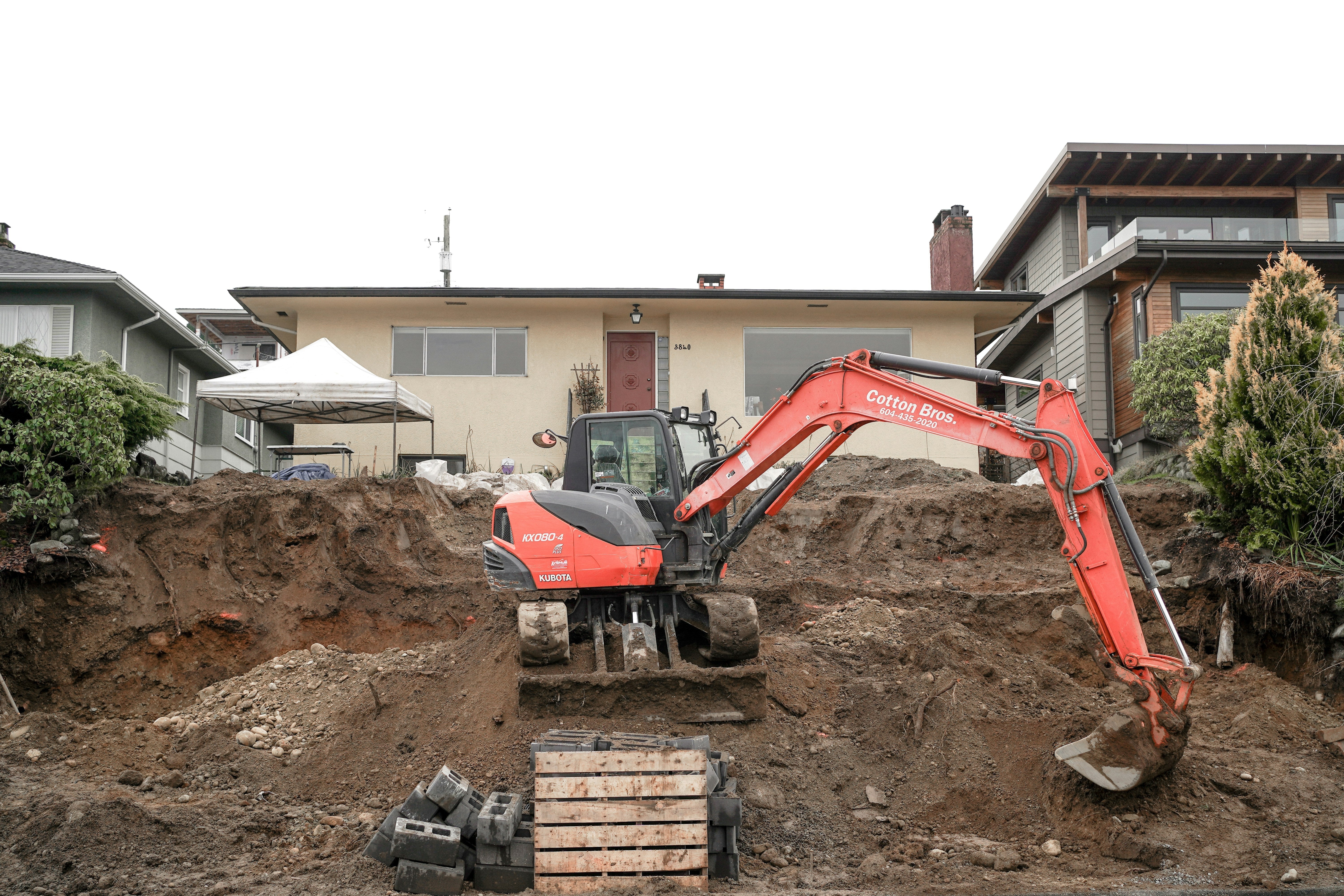
Whether you operate a Bobcat, John Deere, or Kubota machine, understanding maintenance fundamentals is critical.
The good news? Keeping your excavator running smoothly isn't rocket science. It just takes consistency and knowing what to look for. Most well-maintained final drives last between 3,000 to 7,000 hours depending on usage conditions.
Essential Final Drive Maintenance Tasks
Let me break down the maintenance tasks that actually matter. These aren't nice-to-haves. They're the difference between your equipment lasting 3,000 hours or pushing past 7,000 hours with proper care.
Gear Oil Inspection and Changes
Your gear oil is literally the lifeblood of your final drive. Without it, metal grinds on metal, heat builds up, and everything breaks down fast.
Here's what you need to do:
- Check your oil every 100-150 hours of operation. That's it. Set a reminder on your phone if you have to.
- Change the oil every 250-500 hours depending on your usage conditions, or at least once per year minimum. Heavy use requires more frequent changes.
- When you check it, look at the color. If it's jet black or you see metal flakes, you've got a problem that needs immediate attention.
The oil inspection process is simple. Locate the plugs on your final drive gearbox (usually at the 12, 3, and 6 o'clock positions). Remove the 3 o'clock plug slowly because there might be pressure built up. Let some oil leak out and inspect it.
Clean oil should be amber or light brown. Black oil means oxidation and contamination. Metal shavings mean internal wear is happening right now.
Leak Detection
Leaks are your early warning system. They're your final drive telling you something's wrong before it completely fails.
There are two types of leaks you need to watch for:
Gear oil leaks show up as thick, dark fluid behind your sprocket or dripping onto the tracks. This usually means your face seal (also called a duo-cone seal) is compromised. Fix it immediately or you'll be replacing the entire final drive.
Hydraulic fluid leaks are thinner, like brake fluid. They can come from hoses (easy fix) or from inside the hydraulic motor (expensive fix).
Do a daily walk-around before you start work. Look behind the sprockets, check under the machine, and run your hand along the final drive housing. If you feel oil, you've got a leak.
Case Drain Filter Service
Not all excavators have case drain filters, but if yours does, checking it could save you thousands.
The case drain filter keeps contaminated hydraulic fluid from destroying your final drive motor. When it clogs, pressure builds up and bad things happen fast.
Find the small line next to your hydraulic lines and follow it to the filter. It looks like a small aluminum canister. Pull it out (plug the lines first so you don't lose fluid), unscrew it, and check the filter element inside.
A healthy filter is bronze or gold colored. If it's dark or black, replace it immediately. Check this filter every 500 hours or whenever you're doing routine hydraulic system maintenance.
Undercarriage Cleaning
I know, I know. Nobody wants to pressure wash mud off their excavator at the end of a long day. But here's why you should care: packed debris around your final drive creates heat and displaces seals.
When seals get pushed out of position, oil leaks out and contamination gets in. It's a death spiral for your final drive.
Blast off the mud, dirt, and debris at least weekly. More often if you're working in particularly nasty conditions. This also makes visual inspections actually useful because you can see what's going on.
Warning Signs of Final Drive Problems
Your excavator talks to you every day. Most people just don't listen until it's too late.
Unusual noises are the first sign something's wrong. Grinding, clunking, or whining sounds that weren't there before? That's bearing wear or gear damage announcing itself. Don't ignore it.
Reduced travel speed or power means your final drive is struggling. Maybe it's low oil, maybe it's worn gears, or maybe the hydraulic pressure is dropping. Either way, it needs attention now, not next month.
Oil pooling behind sprockets is a bright red flag. This means your face seal has failed and your final drive is hemorrhaging gear oil. Every hour you operate like this is doing exponential damage.
Overheating tells you there's too much friction happening inside. This could be from low oil, contaminated oil, or worn components generating excess heat.
The pattern here is simple: small problems become big problems when you ignore them. Catch them early and you're looking at a $200 seal replacement. Wait too long and you're buying a whole new final drive.
Preventive Maintenance Best Practices

Here's what separates operators who get maximum life from their equipment versus those who are constantly in the repair shop.
Follow your OEM maintenance schedule. Your manufacturer's engineers designed your machine and they know exactly when things need servicing. They're not making recommendations for fun. They're telling you how to avoid catastrophic failures.
Avoid excessive loads and impacts. Yes, excavators are built tough. But that doesn't mean you should constantly max them out. Operating at full capacity all the time accelerates wear on your final drive exponentially.
Be especially careful in reverse. Impacts to your drive system when backing up cause serious damage over time.
Maintain a clean service environment. When you're adding oil or working on your final drive, cleanliness matters. One handful of dirt that gets inside during an oil change can destroy components that should last years.
Wipe down fittings before opening them. Use clean containers. Don't work in dusty conditions if you can avoid it.
Document everything. Keep a maintenance log. Write down when you checked oil, when you changed it, what you found, and what you fixed. This does three things:
- It forces you to actually do the maintenance (because you're tracking it)
- It helps you spot patterns and predict failures
- It proves you maintained the equipment properly if there's ever a warranty claim
When to Replace Your Final Drive
Sometimes maintenance isn't enough. Sometimes the damage is done and you need to replace the whole unit.
Severe internal wear indicators include consistent metal shavings in your oil despite changes, loud grinding that won't go away, and loss of power that can't be fixed with basic repairs.
Metal shavings in oil after you've just changed it means gears or bearings are actively disintegrating inside. You can't fix this with an oil change. The components are toast.
Here's the cost analysis you need to do: If the repair costs more than 60% of a new final drive, just replace it. You'll get a warranty, fresh components, and peace of mind. Plus, you're not throwing good money after bad.
When you do replace it, quality matters. A cheap final drive might save you money upfront, but if it fails in 1,000 hours instead of lasting 5,000, you didn't save anything. You lost money and time.
Look for final drive motors that come pre-filled with oil, ready to install, with a solid warranty. The extra few hundred dollars upfront pays for itself in reliability.
Conclusion
Your final drive maintenance strategy is simple: inspect regularly, fix problems immediately, and don't cut corners.
The operators making real money aren't the ones with the newest equipment. They're the ones whose equipment never breaks down because they maintain it properly. That's the game.
When the time comes to replace a worn-out final drive, choose quality components that match your commitment to maintenance. At Precision Final Drives, we offer factory-fresh final drive motors for all major excavator brands.
Every motor ships pre-filled with oil, ready to bolt on, backed by a lifetime limited warranty and free shipping in the continental U.S.
Set up your maintenance schedule today. Put reminders in your phone. Buy the oil and filters you need. Then actually do the work. Because here's what I know for sure: an hour of preventive maintenance is worth more than a week of emergency repairs. The choice is yours.
Frequently Asked Questions (FAQs)
1. How often should I check my final drive oil level?
Check your final drive oil every 100-150 hours of operation. If you're running your excavator hard in tough conditions, check it even more frequently.
Change the oil every 250-500 hours depending on usage intensity, or at least once per year minimum. Low oil levels cause friction, heat, and rapid component failure. Make this a non-negotiable part of your routine.
2. What does it mean when my final drive oil is black?
Black oil in your final drive indicates heavy oxidation, contamination, and internal wear. Fresh gear oil should be amber or light brown. If it's turning black, change it immediately.
If you see metal flakes or shavings in black oil, you've got serious internal damage happening and need professional inspection right away.
3. Can I operate my excavator with a small final drive leak?
No. Even a small leak is a big problem waiting to happen. When oil leaks out, it means seals have failed, and if oil can get out, dirt and water can get in.
Operating with a leak accelerates internal wear exponentially and will lead to complete final drive failure. Fix leaks immediately, not eventually.
4. How do I know if my case drain filter needs replacing?
Remove your case drain filter and check the color of the filter element inside. A good filter is bronze or gold colored. If it's dark brown, black, or clogged, replace it immediately.
Most operators check this every 500 hours or whenever they're doing routine maintenance on the hydraulic system.
5. What's the average lifespan of a well-maintained final drive?
With proper maintenance, a final drive typically lasts between 3,000 to 7,000 hours, with well-maintained units often reaching 5,000 to 7,000 hours or more. Without regular maintenance, you might experience premature failure significantly earlier.
The difference is regular oil changes, prompt leak repairs, and keeping the undercarriage clean. Maintenance isn't optional if you want maximum equipment life and to avoid costly replacements.