
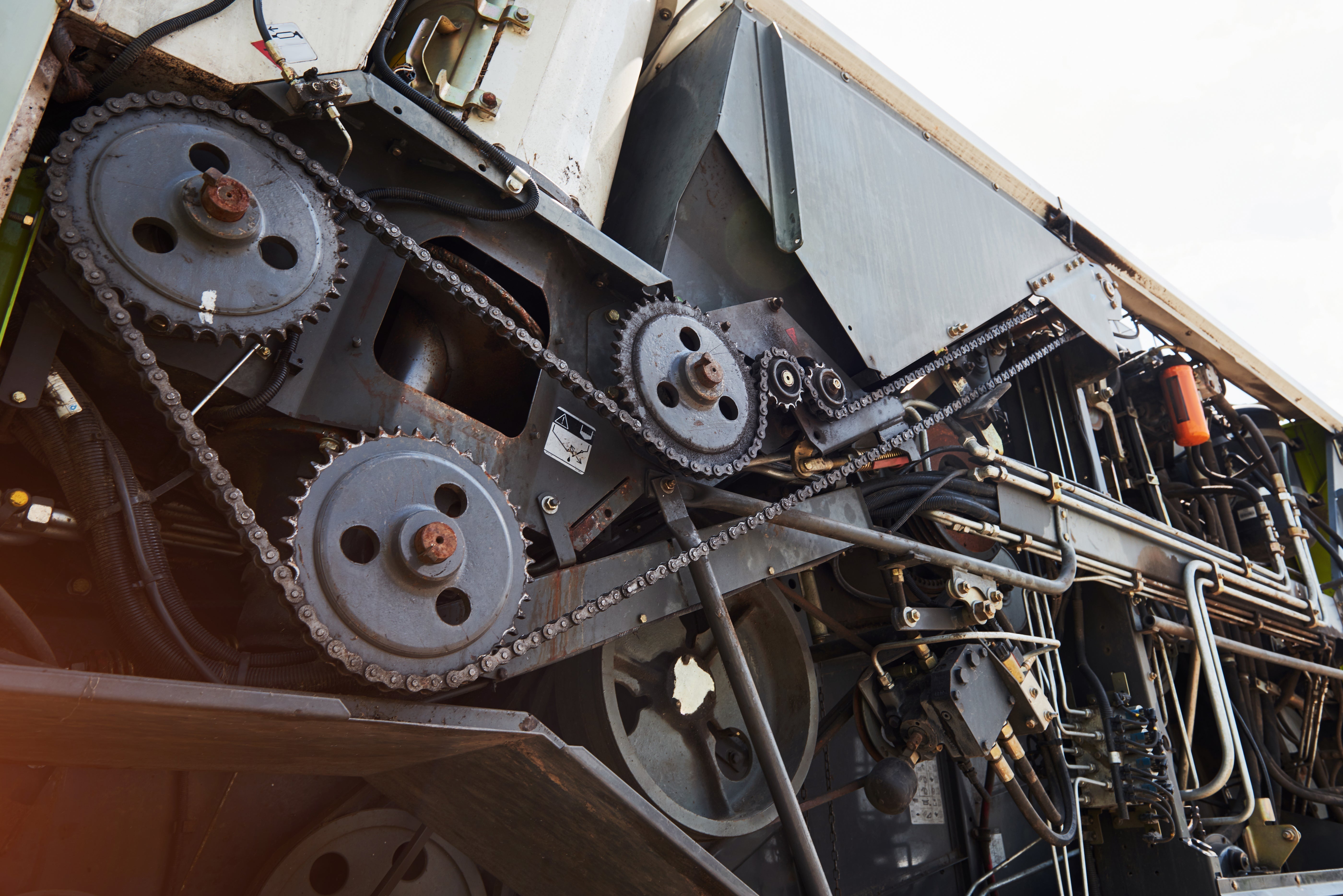
Final drive motor failure can shut down your entire operation in minutes. Most failures are preventable if you know what to look for.
Your excavator's final drive motor is what makes the tracks move. Without it, you've got an expensive paperweight sitting on your job site. Understanding what causes them to fail helps you catch problems early.
Once you know the main culprits behind final drive motor failure, you can take action before small issues become catastrophic breakdowns. Let's break down exactly what causes these failures and how you can protect your investment.
Understanding Final Drive Motor Components
Your final drive motor has two main systems: the hydraulic motor and the planetary gearbox. The hydraulic side converts fluid pressure into rotational motion. The planetary side multiplies the torque to move your tracks.
Inside that housing, you've got bearings, seals, gears, and a rotating assembly. When one part starts failing, it creates a domino effect that can destroy the entire unit. The weak link is usually something simple like a clogged filter or low oil level.
Clogged Case Drain Filter
This is the number one cause of final drive motor failure. About 90% of failures trace back to this single issue. The case drain filter returns internal hydraulic leakage back to the tank.
When this filter clogs, pressure builds up inside the motor with nowhere to go. Eventually, it blows apart the internal components. Rotator groups can literally explode from a clogged case drain filter.
Here's what happens:
- Filter becomes blocked with debris
- Internal pressure builds beyond safe limits
- Seals rupture from excessive pressure
- Internal components shatter
- Total motor failure
Replace your case drain filter every time you change your other hydraulic filters. One filter replacement can save you thousands in repairs.
Inadequate Lubrication and Gear Oil Issues
Gear oil is the lifeblood of your planetary gearbox. Without proper lubrication, metal grinds against metal, temperatures spike, and components wear out fast.
Check your gear oil every 100 hours of operation. Change it completely at least once a year or every 500 hours after the initial 50-hour change. Use the exact oil type specified by your manufacturer, as the wrong viscosity can cause just as many problems as no oil at all.
Contaminated oil is just as bad as low oil. As gear oil ages, it breaks down. Metal particles from normal wear float around in the oil, acting like sandpaper on your gears and bearings. This contamination accelerates wear exponentially.
Old, dirty oil can't protect your components or carry away heat effectively. You end up with accelerated wear that turns into final drive motor failure within months instead of years.
Watch for these signs:
- Dark, thick oil that looks burnt
- Metal shavings visible in the oil
- Oil that smells burnt or rancid
- Repeatedly needing to top off oil levels
When you see these warning signs, change your oil immediately. Don't wait for your scheduled maintenance interval.
Compromised Seals and Leakage Problems
Seals keep fluids where they belong. When seals fail, you get leaks that lead to low fluid levels, contamination, and eventual motor failure.
You'll see two types of leaks. Gear oil leaks show up as thick fluid behind the sprocket or dripping on the tracks. Hydraulic leaks involve thin fluid with the consistency of brake fluid. Knowing which type of leak you have determines the repair approach.
A leaking seal doesn't just let fluid out. It lets contamination in. Dirt, mud, and abrasive particles enter through damaged seals and destroy bearings and gears from the inside. What starts as a minor leak becomes major internal damage if ignored.
Address leaks immediately. The longer you wait, the more expensive the fix becomes.
Mechanical Face Seal Failure
The mechanical face seal (also called a duo-cone seal or floating face seal) is your primary defense against gear oil leaks. This seal sits between the planetary hub and the outside world.
These seals fail from normal wear, contamination, or improper installation. When they go bad, gear oil leaks out, gears lose lubrication, friction increases, and heat builds up. Replace mechanical face seals at the first sign of leakage. A new seal costs a fraction of what a planetary rebuild runs.
Worn Bearings and Internal Components
Main bearings support the rotating components inside your final drive. When these bearings fail, they take everything else with them. Bearings are one of the most common failure points, and bearing failure often leads to complete final drive motor failure.
You'll know bearings are failing when you hear:
- Excessive noise during operation
- Grinding or rattling sounds
- Unusual vibration through the machine
Gear teeth wear down over time. Brand new gears have slightly flattened tips. As they wear, those tips become pointed, meaning it's replacement time.
The cylinder block and friction plates on the hydraulic side also wear out. Once wear reaches a certain point, it creates a cycle of destruction. Metal particles break off, damage other components, and the cycle accelerates until something catastrophic breaks.
Symptoms of Final Drive Motor Failure
Key warning signs include:
- Loss of power when climbing hills
- Machine veering to one side
- Excessive heat from the gearbox
- High-pitched squealing noises
- Vibration that wasn't there before
- Slower track movement
- Tracks not moving at all
Any of these symptoms demands immediate attention. Final drive motor failure doesn't fix itself.
Weak or Failing Charge Pump

The charge pump provides hydraulic pressure to release the internal brake inside your final drive motor. Without adequate pressure, it's like driving with the parking brake on.
A weak charge pump can't generate enough pressure. The brake doesn't fully disengage, and your motor fights against itself with every rotation. You'll hear a loud squealing noise, and the machine struggles to move or won't move at all.
Here's the critical part: if you replace a damaged final drive without fixing a weak charge pump, you'll destroy the new motor too. Always diagnose the charge pump when dealing with final drive issues.
External Factors Contributing to Failure
Not every final drive motor failure comes from internal problems. External factors play a huge role in motor lifespan.
Track tension matters more than most people realize. Tracks that are too tight create excessive friction, forcing your final drive to work harder. Check your tracks, idlers, and track rollers regularly.
Hydraulic hoses deteriorate over time. A leaking hose connected to your final drive reduces performance. Inspect hoses and fittings for signs of wear or leakage. Never check for hydraulic leaks by hand while the machine is running.
The operating environment affects your final drive too. Extreme heat, deep mud, and abrasive materials all take their toll. Clean debris from around your final drive regularly.
Improper installation causes problems that look like motor failures. If someone mixed up the case drain line and two-speed line during installation, you'll see catastrophic damage quickly. Always follow manufacturer instructions.
Preventive Maintenance to Avoid Failure
Prevention costs less than repair. A systematic maintenance approach keeps your final drive motors running for years.
Your maintenance checklist should include:
- Daily visual inspection for leaks
- Oil level checks every 100 hours
- Complete oil changes annually or every 500 hours
- Filter replacements on schedule
- Seal inspection and replacement as needed
- Track tension verification
- Undercarriage cleaning
Keep a maintenance log. Write down when you check oil, change filters, and spot potential problems. Scheduled maintenance catches small issues when they're cheap and easy to fix.
The life of your final drive gearbox is directly proportional to how often you change the oil. More frequent oil changes mean longer motor life.
Conclusion
Final drive motor failure usually comes down to preventable maintenance issues. Clogged filters, low oil, worn seals, and neglected bearings account for the vast majority of failures. Operators who stay on top of maintenance rarely experience unexpected breakdowns.
Your final drive motor is a significant investment. Protecting that investment means following a consistent maintenance schedule and acting quickly when warning signs appear. The cost difference between prevention and repair is massive.
When you do need a replacement motor, quality matters. At Precision Final Drives, we provide factory-fresh final drive motors with limited lifetime warranties at wholesale prices. We're here to keep your machines running.
Remember, preventing final drive motor failure is always cheaper than fixing it. Check your fluids, change your filters, and inspect for leaks.
Frequently Asked Questions (FAQs)
1. How often should I change my final drive gear oil?
Change gear oil after the first 50 hours of operation on a new motor, then every 500 hours or annually afterward. Check oil levels every 100 hours between changes.
2. Can I keep operating my excavator with a minor final drive leak?
No. Even small leaks allow contamination to enter and fluid to escape. Address leaks immediately to prevent catastrophic damage and expensive repairs.
3. What's the most common cause of final drive motor failure?
Clogged case drain filters cause approximately 90% of final drive failures. Replace these filters every time you change your hydraulic filters to prevent pressure buildup.
4. How do I know if my charge pump is weak?
A weak charge pump typically produces a loud squealing noise and causes reduced machine movement. The motor may feel weak or fail to move the machine at all.
5. Is it worth repairing an old final drive motor or should I replace it?
If repair costs approach or exceed the cost of a new motor, or if you're experiencing repeated failures, replacement is usually more cost-effective and reliable than continued repairs. Consider both the repair cost and potential downtime when making this decision.
